Terrain Journeys
Terrain Journeys
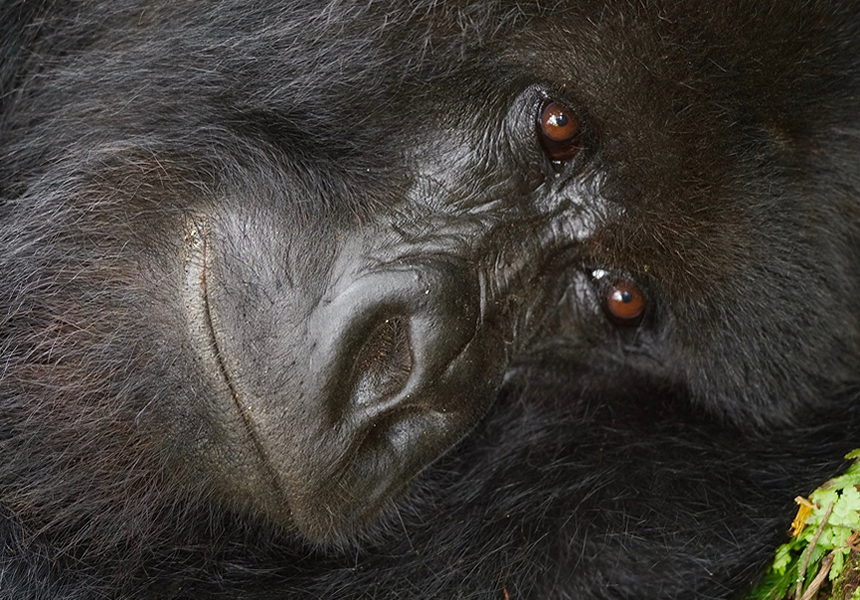
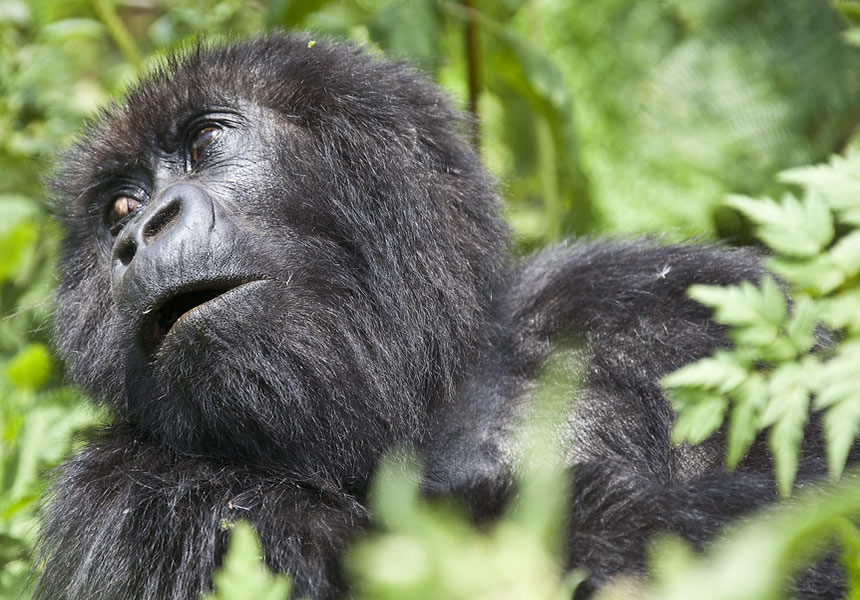
Gorilla trekking has become the single biggest draw of East African tourism, and it is built almost entirely around three protected areas: Volcanoes National Park in Rwanda, and Bwindi Impenetrable National Park and Mgahinga Gorilla National Park in Uganda. Together, these three parks and Virunga National Park in the Democratic Republic of Congo hold essentially the entire wild population of the mountain gorilla, a subspecies found nowhere else on the planet and nowhere in captivity. At Terrain safaris, our account with adventure tours and Gorillas cover these truly maginficient destinations. Our trips range from single day trips from Kigali to Volcanoes National park or Mgahinga. Multi days trips betwwen 3 to 10 days cover all the three destinations to give you a full highlight of these creatures and their habitats.
Mountain gorillas (Gorilla beringei beringei) live in only two isolated ecosystems in the world: the Virunga Massif, a chain of volcanoes straddling Rwanda, Uganda and the DRC, and the separate Bwindi forest in southwestern Uganda. Decades of conservation work, anti-poaching patrols and habituation programs (the slow process of acclimatizing wild gorilla families to human presence) have brought the population back from the brink of extinction to roughly 1,000 individuals today. Trekking permits are deliberately expensive and tightly capped, a “low volume, high value” model designed to fund conservation and limit stress on the gorillas while still allowing people to encounter them safely and sustainably.
Some of our carefully crafted Gorilla trekking tour packages to Uganda’s Bwindi Impenetrable forest national park and Mgahinga forest Gorilla national park, plus Rwanda’s Volcanoes forest Gorilla national park.

Solar Panel Installation
Adieus except say barton put feebly favour him. Entreaties unpleasant sufficient few pianoforte discovered uncommonly ask.

Solar System Design
Adieus except say barton put feebly favour him. Entreaties unpleasant sufficient few pianoforte discovered uncommonly ask.

Solar Financing Options
Adieus except say barton put feebly favour him. Entreaties unpleasant sufficient few pianoforte discovered uncommonly ask.
Solar Energy Audits
Adieus except say barton put feebly favour him. Entreaties unpleasant sufficient few pianoforte discovered uncommonly ask.

Solar Battery Storage
Adieus except say barton put feebly favour him. Entreaties unpleasant sufficient few pianoforte discovered uncommonly ask.

Commercial Solutions
Adieus except say barton put feebly favour him. Entreaties unpleasant sufficient few pianoforte discovered uncommonly ask.
Blog
The Three Destinations
Volcanoes National Park, Rwanda
Volcanoes National Park (Parc National des Volcans) sits in northwestern Rwanda near the town of Musanze, roughly two to three hours by road from Kigali International Airport, making it the most accessible of the three parks for international visitors. It covers the Rwandan slopes of five of the eight Virunga volcanoes, including Karisimbi, Bisoke, Muhabura, Gahinga and Sabyinyo, and is cloaked in dense bamboo, rainforest and afro-alpine vegetation. This is the park where the famed primatologist Dian Fossey conducted her research and established the Karisoke Research Center, and it remains the birthplace of modern mountain gorilla conservation. Around a dozen habituated gorilla families are open to tourism here, and because the terrain, though steep, tends to involve shorter approach hikes than Bwindi, it is often marketed as the more comfortable and more luxurious of the gorilla destinations, with a cluster of high-end lodges near the park’s Kinigi headquarters.
Bwindi Impenetrable National Park, Uganda
Bwindi lies in southwestern Uganda along the edge of the Albertine Rift, near the borders with Rwanda and the DRC. Its name is well earned: this is an ancient, tangled rainforest of over 400 square kilometers, thick with vines, ferns and steep ravines, and it is one of the richest ecosystems in Africa in terms of biodiversity. Bwindi is home to roughly half of the world’s mountain gorillas, spread across four trekking sectors — Buhoma, Ruhija, Rushaga and Nkuringo — each with its own habituated families and its own access roads and lodges. Because Bwindi’s terrain is often steeper and muddier than Volcanoes, treks here can run longer, sometimes stretching to a full day, but the reward is a wilder, more immersive forest experience. Bwindi is also the park that pioneered gorilla habituation experiences, where visitors can spend up to four hours with a family that is still in the process of being habituated, rather than the standard one hour.
Mgahinga Gorilla National Park, Uganda
Mgahinga is the smallest and least visited of the three, tucked into Uganda’s extreme southwestern corner where it meets both Rwanda and the DRC, forming part of the same Virunga volcanic chain as Volcanoes National Park across the border. It covers the Ugandan slopes of three volcanoes — Muhabura, Gahinga and Sabyinyo — and for years had only a single habituated gorilla family, the Nyakagezi group, which has a habit of wandering across the international border into Rwanda or Congo for stretches of time, occasionally making treks unavailable. This unpredictability has kept visitor numbers low, but it also means Mgahinga offers a quieter, more exclusive experience for those who do trek there, along with golden monkey tracking and volcano hikes that are less crowded than their equivalents elsewhere in the region.
Safari packages
Our ebook website brings you the convenience of instant access to a diverse range of titles.
Getting There: The Safari Routes
Very few travellers visit these parks in isolation; gorilla trekking is almost always built into a broader safari itinerary, and the route depends heavily on which country a traveller flies into.
Rwanda-based safaris
The most straightforward option is to fly into Kigali International Airport and drive directly to Volcanoes National Park, a journey of about two to three hours on paved roads. Many operators pair this with time in Akagera National Park in eastern Rwanda for a classic savanna game drive (Akagera holds the “Big Five,” including lions and rhinos that have been reintroduced in recent years) or with a stop in Nyungwe Forest National Park in the southwest for chimpanzee tracking and canopy walks. A common short itinerary runs Kigali–Volcanoes–Kigali over three to four days, while longer circuits add Akagera or Nyungwe to make a seven-to-ten-day trip spanning savanna, rainforest and volcano ecosystems.
Permits and planning.
Experienced
Gorilla Trekking Safaris
Whatever the route, the permit sets your timing. In 2026, Volcanoes National Park permits cost USD 1,500 per international visitor (discounts for East African/African passport holders); Bwindi and Mgahinga permits in Uganda run about USD 800. Each covers park entry, a ranger-guided trek, and one hour with the gorillas – excluding porters, tips, accommodation and transport. Permits are scarce (Rwanda allows roughly eight visitors per gorilla family daily), so book three to six months ahead, earlier for the popular June-September and December – February dry seasons.
Uganda-based safaris.
Travelers flying into Entebbe usually combine gorilla trekking with other Ugandan parks. Bwindi pairs most often with Queen Elizabeth National Park – known for tree-climbing lions and Kazinga Channel boat cruises – via the Ishasha sector, and sometimes with Kibale for chimpanzee tracking or Lake Mburo for a shorter game drive. Since Bwindi’s four sectors are spread out, choosing the Buhoma (north) or Rushaga/Nkuringo (south) route determines which parks fit the loop. Mgahinga, near Bwindi’s southern sectors, is a popular add-on for golden monkey tracking or a fallback when gorilla permits sell out.
While gorilla trekking is the headline attraction, all three parks offer a range of other activities, and many itineraries build in an extra day specifically to take advantage of them.
Golden monkey tracking. Both Volcanoes National Park and Mgahinga are home to habituated troops of golden monkeys, an endangered and strikingly colored primate found only in the Albertine Rift. Treks are shorter and less strenuous than gorilla treks, usually lasting two to three hours round trip, and permits are considerably cheaper, making this a popular half-day add-on.
Volcano and crater hikes. The volcanoes that give Volcanoes National Park its name are climbable. Bisoke, with its crater lake near the summit, is the most popular day hike; the more demanding ascent of Karisimbi, Rwanda’s highest peak, typically requires an overnight camp partway up. In Mgahinga, visitors can climb Mount Sabyinyo (with its distinctive jagged, saw-tooth peak where the borders of Rwanda, Uganda and the DRC meet), Mount Gahinga, or Mount Muhabura.
Dian Fossey’s grave and the Karisoke Research Center. In Volcanoes National Park, a moderately strenuous hike leads to the site of Dian Fossey’s former research camp and burial site, alongside the graves of several gorillas she studied, including Digit. It is a meaningful stop for anyone interested in the history of gorilla conservation.
Cultural encounters. Around all three parks, community-run cultural villages let visitors meet local Batwa communities (traditionally forest-dwelling hunter-gatherers displaced by the creation of the parks), watch traditional dance and drumming performances, and learn about local farming, brewing and craft traditions. The Iby’Iwacu Cultural Village near Volcanoes National Park and similar community programs near Bwindi and Mgahinga are widely offered as half-day experiences.
Nature walks and birdwatching. All three parks host rich birdlife, with Bwindi alone recording well over 300 species, including a number of Albertine Rift endemics. Guided forest walks, waterfall hikes and birdwatching trails offer a gentler alternative to gorilla trekking for travelers with an extra day, or for those in a group who choose not to trek.
Gorilla habituation experience. Offered in Bwindi (and, less commonly, in parts of the Virunga region), this extended activity allows a small number of visitors to spend up to four hours, rather than the usual one, observing a gorilla family that is midway through the habituation process, accompanied by researchers and trackers. It costs more than a standard permit but appeals to travelers who want a deeper, less rushed encounter and a closer look at gorilla behavior and family dynamics.
Twin lakes and cave visits. Near Mgahinga and southern Bwindi, the twin crater lakes of Mutanda and Bunyonyi offer canoeing, birdwatching and relaxed lakeside stays, often used as a stopover between trekking days. The nearby Garama Cave, once a hiding place for the Batwa and Bafumbira communities during regional conflict, can also be visited on cultural tours.
Get In Touch
Contact Us
Lorem ipsum dolor sit amet, consectetur adipiscing elit. Ut elit tellus, luctus nec ullamcorper mattis, pulvinar dapibus leo.
Office Mail
bookings@terrainjourneys.com
Office Number
+256 772 625961
Office Address
Najja Shopping Center - Najjankumbi Entebbe Road